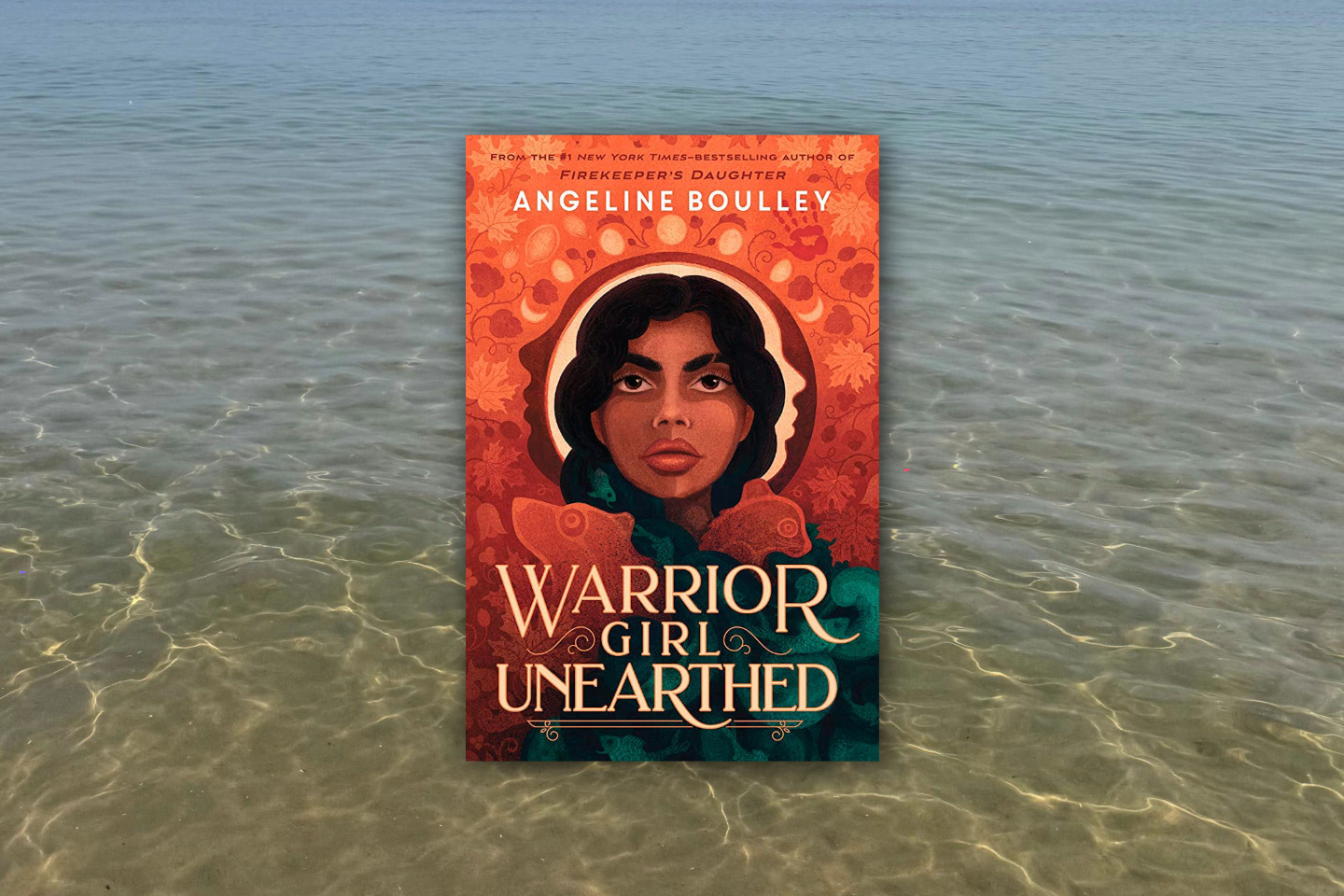
Warrior Girl Unearthed
Follow Perry Firekeeper-Birch as she fights to unravel a mystery in her hometown and save her ancestors and the missing Indigenous women before it’s too late.
Themes:
Season:
About the Author and Honored Guest
Author
Angeline Boulley
Angeline Boulley, an enrolled member of the Sault Ste. Marie Tribe of Chippewa Indians, is a storyteller who writes about her Ojibwe community in Michigan’s Upper Peninsula. She is a former Director of the Office of Indian Education at the U.S. Department of Education.
Angeline lives in southwest Michigan, but her home will always be on Sugar Island. Firekeeper’s Daughter was her debut novel, and was an instant #1 NYT Bestseller.
Honored guest
Sirella Ford
Sirella Ford, a member of the Lac Courte Oreilles Band is from the ma’iingan (wolf) clan. She is a graduate of Northland College and most recently worked in education, sharing her love of Ojibwe culture with her students. Sirella is known for her beadwork, famous frybread, and speaking Ojibwe with her grandchildren.
Bio provided by Sirella Ford.
Discussion Questions
- When Perry visits the university ‘archives’ for the first time, she learns that they organize their “collection” based upon the body part. Why do you think they do that? What impact does this have on one’s understanding of the fact that those body parts were once human?
- What do you think the importance was of Perry naming her ancestors in her introduction during the meeting between the tribe and Mack State?
- Perry sees Warrior Girl many times throughout the novel, typically while she is asleep, but also during times of trouble. What do you think the significance is of her seeing and communicating with Warrior Girl?
Learning Activities
- Compare the way Cooper Turtle advocated for reclamation versus what Perry did. Why do you think they each advocated for their specific decision?
- With a trusted adult, research your local museum and see if they have any Indigenous cultural items. If so, is there any evidence that they have communicated or formed connections with those Tribes?
Explore More
- Learn more about the Native American Graves Protection and Repatriation Act (NAGPRA) from the National Park Service’s NAGPRA page.
- Learn more about the Missing and Murdered Indigenous Women Movement (MMIW) and read the National Indigenous Women’s Resource Center’s MMIW fact sheet.
- Read an interview with Isabella Star LeBlanc, who voiced the audiobook of Warrior Girl Unearthed, as well as Firekeeper’s Daughter.
- Watch this video of Angeline Boulley discussing Indigenous Representation in Literature for Children, in the Annual Charlotte Zolotow lecture from UW–Madison and the Cooperative Children’s Book Center (CCBC).
- Explore the resources for this book offered by TeachingBooks.