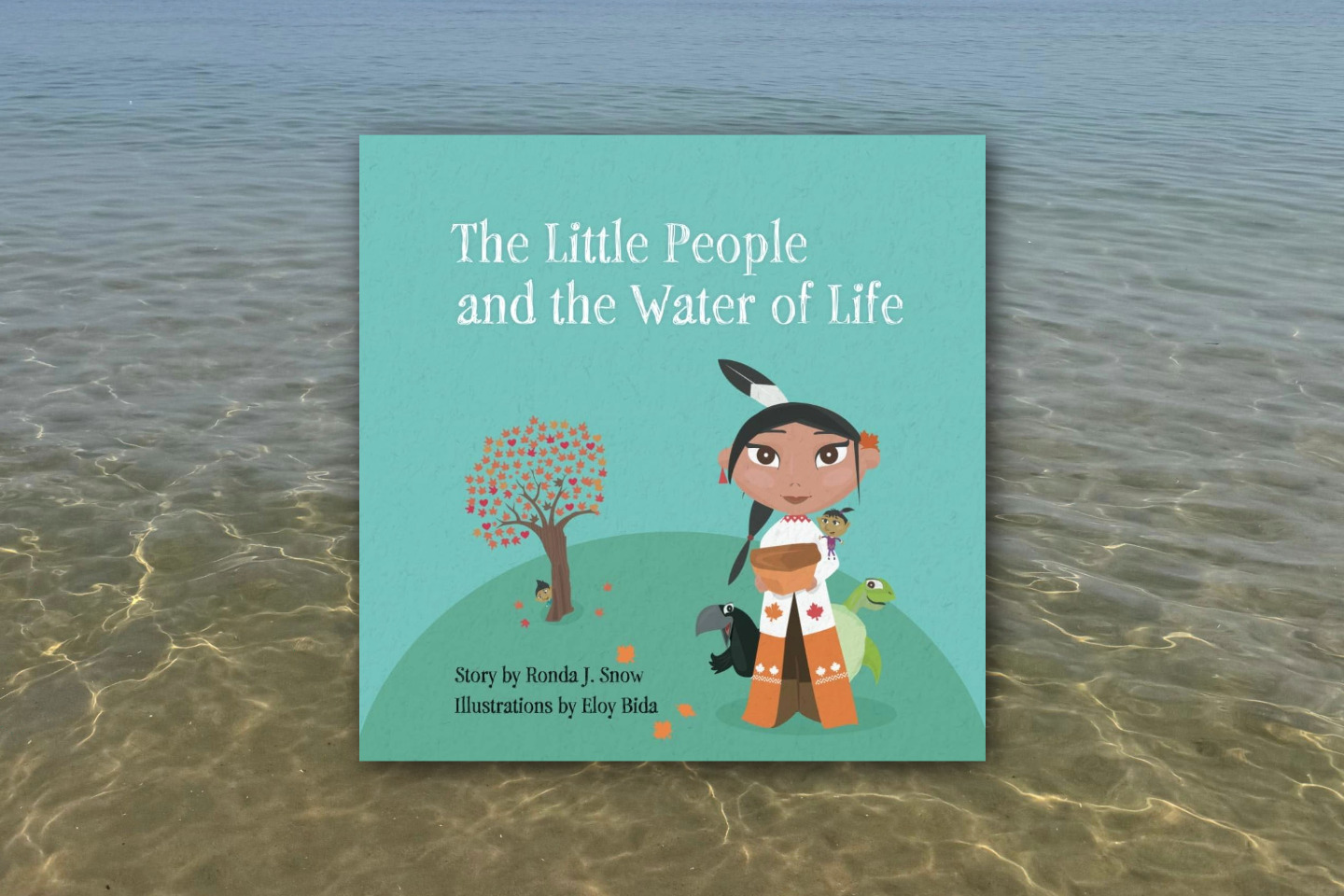
The Little People and the Water of Life
Learn how the little people gave the Ojibwe the gift of maple syrup and how they shared that gift with the world.
Themes:
Season:
On this page
About the Author
Author
Ronda J. Snow
“Ronda Snow is a member of the Lac du Flambeau Band of Lake Superior Ojibwe and owner of Three Sisters Native Foods and Gifts. As a child she remembers listening to her grandmother’s stories late at night. Her stories come from her ancestors, and she believes that the crows still talk to her, the trees hold ancient secrets and that the little people of the forest still exist.”
Bio from Three Sisters Native Foods and Gifts, LLC website.
Illustrator
Eloy Bida
Eloy Bida is a Native Illustrator and digital marketing consultant, descendant of the Indigenous people from South America. He studied Fine Arts, but was repeatedly enraged and disappointed to be only studying models with European features, and learning only about European art history. Bida left the program and began to self-study, exploring themes of ethnomusicology, indigenous languages, pre-Columbian mythology, and Indigenous music and arts.
Discussion Questions
- Aandeg, the crow, helps the Anishinaabeg know when the sap is about to flow from the maple tree. Do you know of any other animals that can give humans knowledge about nature?
- Have you ever had Anishinaabe-zhiiwaagamizigan, or maple syrup? Do you know where your maple syrup comes from?
- Why do you think the Anishinaabeg call maple syrup Ninaatigwaaboo, or the Water of Life?
- Bagwaji-anishinaabehnsag, or the little people of the forest, taught the Anishinaabeg to tap the tree carefully, because the tree can feel. What do you do to take care of plants and keep them safe?
Learning Activities
- Use this website on maple tree identification to learn how to identify maple trees. Do you have maple trees where you live? Can you go outside and find any?
- Open this article on Ninaatigwaaboo (Maple Tree Water): An Anishinaabe History of Maple Sugaring, and ask an adult to help you find the photos of traditional tools used by the Ojibwe people to collect maple sap.
Explore More
- Read this article, Maple Sugaring and the Ojibwe, and watch the accompanying video from the Minnesota Historical Society to see members of the Mille Lacs Band of Ojibwe tap a maple tree for sap and make maple syrup and sugar.
- Next time your family buys maple products, see if you can buy products that were traditionally harvested by Ojibwe peoples!